Could combustion be saved?
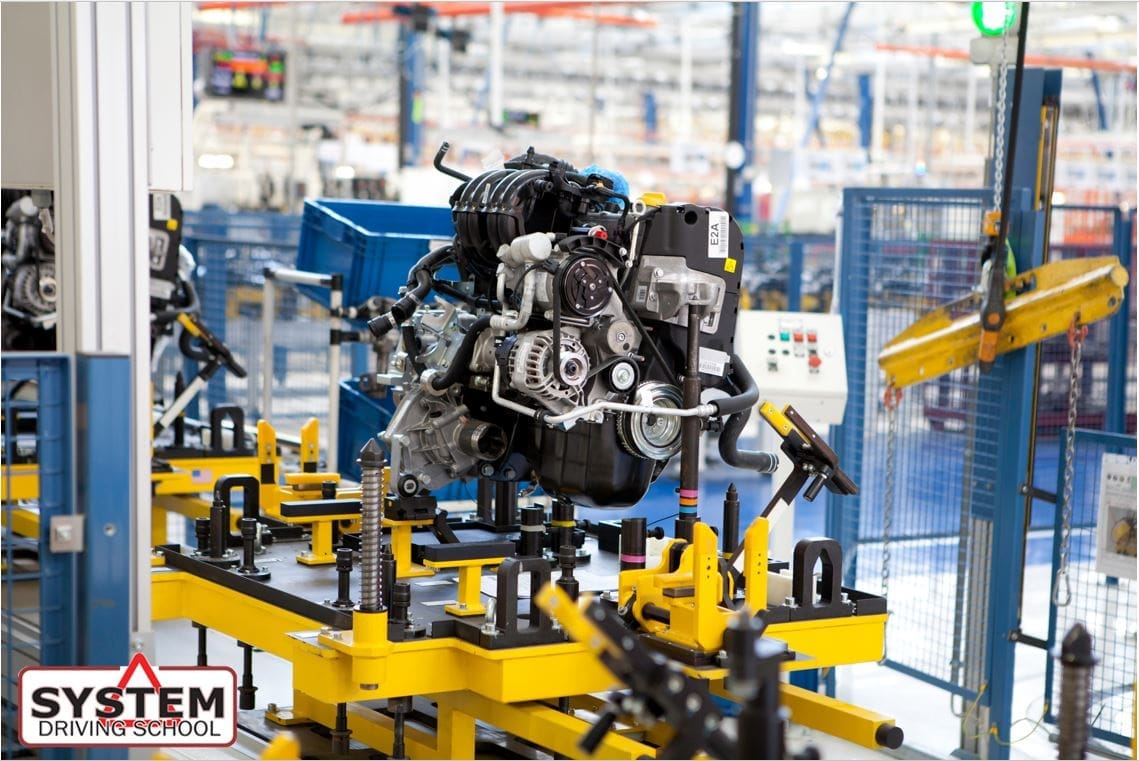
Toyota plans to develop a new generation of petrol-fueled internal combustion engines, marking the carmaker’s latest commitment to alternatives to electric vehicles. This move highlights Toyota’s continued investment in traditional engine technology despite the growing trend towards electrification in the automotive industry.
What are they developing?
The Toyota group’s strategy sharply contrasts with other automakers that are shifting towards fully electric vehicles (EVs).
Toyota stated, “With these engines, each of the three companies will strive to optimize integration with motors, batteries, and other electric drive components.”
The next generation of engines will be essential in the quest for carbon neutrality. Subaru, Toyota, and Mazda are focused on enhancing engine performance and optimizing integration with electric drive units, utilizing their combined strengths.
The companies state that these highly efficient and powerful engines will also be more compact, enabling lower hoods, improved design, and better aerodynamics, which will ultimately enhance fuel efficiency.
Why is this important?
The Toyota group’s strategy sharply contrasts with other automakers that are shifting towards fully electric vehicles (EVs).
Toyota stated, “With these engines, each of the three companies will strive to optimize integration with motors, batteries, and other electric drive components.”
The next generation of engines will be essential in the quest for carbon neutrality. Subaru, Toyota, and Mazda are focused on enhancing engine performance and optimizing integration with electric drive units, utilizing their combined strengths.
The companies state that these highly efficient and powerful engines will also be more compact, enabling lower hoods, improved design, and better aerodynamics, which will ultimately enhance fuel efficiency.
A shift from Electric
This move comes as major automotive markets implement stricter emission standards. According to Reuters, the European Union plans to introduce new regulations under the “Euro 7” umbrella for cars and vans in 2030, as a precursor to its plan to halt sales of new carbon-dioxide-emitting cars by 2035.
As a pioneer in the hybrid vehicle domain, Toyota has adopted a cautious approach to its future decarbonization plans. It aims to maintain its strong presence in hybrid technology while also developing other options, such as biofuel and hydrogen-fueled models.